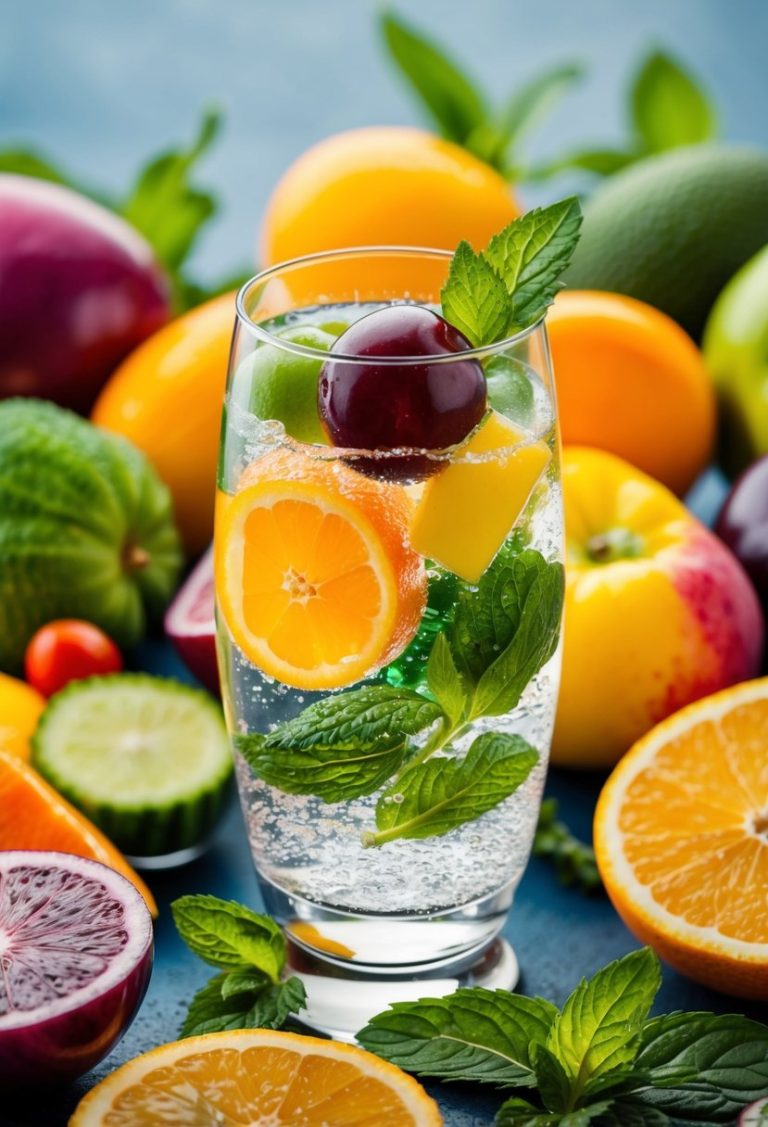
10 Low Calorie Smoothies: Delicious Recipes for Healthy Living (UST 38 CALORIES)
Low calorie smoothies offer a delicious way to enjoy nutritious ingredients while keeping calorie counts low. With options ranging from 38 to 68 calories, these smoothies are ideal for anyone looking to maintain or lose weight without sacrificing taste. Each recipe is designed to be flavorful and includes healthy add-ins that enhance their nutritional value.

For those who may find these calorie counts too minimal, recipes can be modified to include more ingredients or a scoop of protein powder, creating a more satisfying snack. This flexibility ensures that individuals can customize their smoothies to meet their dietary needs while still benefiting from the wholesome ingredients.
Essential Ingredients for Smoothies

To create delicious and nutritious smoothies, gather these key ingredients:
- ½ cup frozen fruit (such as berries or mango)
- ¼ cup unsweetened almond milk
- ¼ cup water
- Greek yogurt for added creaminess and protein
- Protein powder to boost nutrition
- Chia seeds for omega-3 fatty acids and fiber
- Spinach or kale for a nutrient boost
- Oatmeal for extra fiber and thickness
- Coconut milk for a rich flavor
With these ingredients, it’s easy to make a refreshing, healthy smoothie.
Meal Prep and Storage

Preparing Smoothies Ahead of Time
To simplify smoothie preparation, individuals can utilize Individual Smoothie Bags. Each bag contains pre-measured ingredients like fruits, greens, and protein powder. These bags are sealed and placed in the freezer. When ready to enjoy a smoothie, they just need to add liquid and blend.
Another efficient method is known as Scoop-able Smoothie Bags. In this approach, all ingredients are mixed in a larger gallon-sized freezer bag along with a 1/2 measuring cup. When making a smoothie, one merely scoops out the desired amount with the measuring cup and blends with a liquid of choice.
For those who may not have time to prepare smoothies daily, Make Ahead Smoothies are an option. Although smoothies taste best fresh, they can be stored in a jar with a lid or in an insulated cup for easy transport on the go.
Storing Smoothies Effectively
Proper storage is essential for maintaining smoothie quality. When smoothies are prepared in advance, they can be stored in the freezer for up to three months. This ensures that ingredients retain their flavor and nutritional value until consumption.
Leftover smoothies present an opportunity to reduce waste. They can be frozen in an ice cube tray. Once frozen, these smoothie cubes can either be added back into individual smoothie bags or blended directly into a new drink the following day. These smoothie cubes can also serve a dual purpose by keeping drinks cold without diluting flavors.
Repurposing leftover smoothies is another innovative approach. For example, adding leftover smoothie to oatmeal can create a nutritious breakfast. To do this, combine 1/2 cup of leftover smoothie, 1/2 cup of uncooked oats, and 1/2 cup of a liquid (such as almond milk or water) in a pot to cook.
Smoothies can also enhance salad dressings. A simple recipe includes mixing a leftover fruit smoothie with 1 tablespoon of olive oil, 1 tablespoon of vinegar (like apple cider or balsamic), and a pinch of salt and pepper. Shaking or mixing these ingredients results in a fresh, fruity vinaigrette for salads.
Low Calorie Smoothies (38 Calories)

Ingredients
For a tasty and refreshing low-calorie smoothie, here are some recipes to consider:
Strawberry Smoothie (38 Calories)
- ½ cup frozen strawberries
- ¼ cup unsweetened almond milk or your choice of milk
- ¼ cup water
Banana Smoothie (68 Calories)
- ½ frozen banana
- ¼ cup unsweetened almond milk or your choice of milk
- ¼ cup water
Blueberry Smoothie (57 Calories)
- ½ cup frozen blueberries
- ¼ cup unsweetened almond milk or your choice of milk
- ¼ cup water
Kiwi Smoothie (61 Calories)
- 1 peeled and frozen kiwi
- ¼ cup unsweetened almond milk or your choice of milk
- ¼ cup water
Raspberry Smoothie (47 Calories)
- ½ cup frozen raspberries
- ¼ cup unsweetened almond milk or your choice of milk
- ¼ cup water
Blackberry Smoothie (46 Calories)
- ½ cup blackberries
- ¼ cup unsweetened almond milk or your choice of milk
- ¼ cup water
Pineapple Smoothie (56 Calories)
- ½ cup frozen pineapple
- ¼ cup unsweetened almond milk or your choice of milk
- ¼ cup water
Mango Smoothie (65 Calories)
- ½ cup frozen mango
- ¼ cup unsweetened almond milk or your choice of milk
- ¼ cup water
Berry Medley Smoothie (55 Calories)
- ½ cup frozen mixed berries
- ¼ cup unsweetened almond milk or your choice of milk
- ¼ cup water
Cherry Smoothie (60 Calories)
- ½ cup frozen cherries
- ¼ cup unsweetened almond milk or your choice of milk
- ¼ cup water
Instructions
- Combine all ingredients in a blender.
- Start with a low pulse to mix the contents, then blend until smooth.
- Pour into a glass and enjoy your smoothie.
Notes
These smoothies are low in calories and perfect for a quick snack. They can easily be doubled or tripled for a larger serving or a more filling option. If preferring not to use almond milk, consider coconut milk or oat milk from the refrigerated section. Water is also a simple alternative that can reduce the calories further.
Low Calorie Smoothie Add-Ins
To enhance the nutritional value of these smoothies, try adding:
- Protein Powder: Mix in 1-2 scoops of protein powder for an extra protein boost. Vanilla protein or unsweetened collagen powder works well.
- Yogurt: Adding ¼ cup of yogurt, especially 0% Greek yogurt, can increase protein and creaminess while keeping calories low.
- Flax Seeds: Include 1-2 teaspoons of ground flax seed for Omega-3s. They are beneficial for reducing inflammation.
- Chia Seeds: One teaspoon of chia seeds can enhance texture and help keep you fuller for longer.
- Oatmeal: Incorporate 1-2 tablespoons of uncooked oatmeal for added fiber and staying power.
- MCT or Coconut Oil: A small amount (1-2 teaspoons) adds healthy fats. MCT oil doesn’t alter flavor, while coconut oil adds a mild coconut taste.
Ingredient Swaps
- Milk: Use unsweetened almond milk for a metabolism boost. Other milk options include coconut, oat, or cow’s milk.
- Water: For thicker smoothies, eliminate the water or replace milk with water, cutting about 15 calories.
- Fruit: Feel free to mix and match from various fruits listed above to create smoothies with unique flavors.
Nutrition
Here is the nutritional breakdown for one serving (1 cup):
- Calories: 38 kcal
- Carbohydrates: 7.5 g
- Protein: 0.7 g
- Fat: 0.9 g
- Saturated Fat: 0 g
- Cholesterol: 0 mg
- Sodium: 36 mg
- Potassium: 10 mg
- Fiber: 1.4 g
- Sugar: 5 g
- Calcium: 12 mg
- Iron: 0 mg
These smoothies are ideal for those seeking delicious fruit smoothies that are low in calories while offering essential nutrients.
Healthy Tips and Swaps

To enhance the nutritional value of smoothies, consider these useful tips and swaps.
- Lower Carbohydrates: Replace almond milk with water to further reduce carb content. Opt for low-carb fruits such as blueberries and apples. Adding low-carb protein powder can also balance the carbs without sacrificing flavor.
- Boost Protein Content: For those looking for high protein smoothies, adding 1-2 scoops of protein powder makes a significant difference. Incorporating yogurt can also enrich the protein level, resulting in a satisfying, creamy texture.
- Reduce Sugar: To maintain low sugar levels, stick with unsweetened almond milk. Using low-sugar fruits, like blueberries, will further help. Consider unsweetened collagen powder to boost protein while keeping sugars in check.
- Ensure Gluten-Free Options: Although many smoothies are naturally gluten-free, it’s essential to verify that any additional ingredients, such as oats or protein powders, are labeled gluten-free. Oats are often processed in shared facilities, so checking the packaging for a “Gluten-Free” label is wise.
- Maintain Vegan Standards: These smoothies can easily align with a vegan diet. Replace regular yogurt with cashew yogurt, and ensure that the protein powder is vegan-friendly as well.
- Lower Sodium Levels: For a low sodium option, water is the best substitute for almond milk. This switch will effectively control sodium intake while keeping smoothies nutritious.
These tips will help create delicious and tailored smoothies to fit various dietary needs while focusing on protein and low calories.
Low Carb Smoothies

Low carb smoothies are a great option for those looking to maintain a healthy lifestyle while enjoying delicious drinks. These smoothies focus on using ingredients that are low in carbohydrates, making them suitable for various diets, including keto and paleo.
Key Ingredients
- Leafy Greens: Spinach and kale provide essential nutrients with minimal carbs.
- Avocados: Rich in healthy fats and low in carbs, avocados add creaminess.
- Berries: Strawberries, raspberries, and blackberries are lower in sugar compared to other fruits, making them a good choice.
- Nuts and Seeds: Almonds, chia seeds, and flaxseeds offer healthy fats and protein.
- Unsweetened Nut Milks: Almond or coconut milk can replace higher-carb dairy options.
Sample Low Carb Smoothie Recipes
- Avocado Spinach Smoothie
- 1/2 avocado
- 1 cup spinach
- 1 cup unsweetened almond milk
- Blend until smooth.
- Berry Protein Smoothie
- 1/2 cup mixed berries
- 1 scoop protein powder
- 1 cup water or unsweetened coconut milk
- Blend until combined.
- Cucumber Mint Smoothie
- 1/2 cucumber
- Fresh mint leaves
- 1/2 green apple
- 1 cup cold water
- Blend until smooth.
Health Benefits
Low carb smoothies can help with weight management, provide energy, and offer a range of nutrients without the excess carbohydrates. They are an excellent choice for anyone looking to increase their intake of vitamins and minerals while keeping carb counts low.
High Protein Smoothies

High protein smoothies are an effective way to boost nutrient intake while keeping calorie counts low. These smoothies often combine protein-rich ingredients with fruits, vegetables, and liquids to create a satisfying drink that can serve as a meal replacement or a post-workout option. Below are some key components and tips for making delicious high protein smoothies.
Key Ingredients
- Protein Powder: Adds a significant protein boost. Options include whey, casein, or plant-based powders such as pea or hemp.
- Greek Yogurt: Thick and creamy, Greek yogurt offers protein as well as probiotics for digestive health.
- Nut Butters: Peanut or almond butter enhances flavor and increases protein content, but should be used sparingly due to calorie density.
- Chia Seeds or Flaxseeds: These seeds are high in protein and fiber, promoting fullness and digestive health.
- Leafy Greens: Spinach or kale can be added for extra nutrients without adding many calories.
Sample Recipes
- Chocolate Banana Protein Shake
- 1 scoop chocolate protein powder
- 1 banana
- 1 cup almond milk
- 1 tablespoon peanut butter
- Ice cubes
- Green Power Smoothie
- 1 scoop vanilla protein powder
- 1 cup spinach
- ½ cup unsweetened almond milk
- ½ avocado
- 1 tablespoon chia seeds
- Ice cubes
Tips for Preparation
- Blend well: Ensure all ingredients are fully mixed to create a smooth texture.
- Balance flavors: Adjust the sweetness with fruits like bananas or berries, and use unsweetened bases to control sugar levels.
- Experiment: Try different combinations of ingredients to discover favorite flavors and textures.
High protein smoothies can be a versatile addition to anyone’s diet, providing nourishment and convenience, especially for those managing calorie intake while looking to increase their protein.
Low Sugar Smoothies

Low sugar smoothies are a great option for those seeking healthier drink choices without sacrificing flavor. These smoothies minimize added sugars and focus on using natural ingredients. Here are some key elements to consider when making low sugar smoothies:
- Ingredients: Select low-sugar fruits like berries, avocados, and green vegetables.
- Base Options: Use unsweetened almond milk or coconut water as a smoothie base instead of juices that are high in sugar.
- Add Protein: Incorporate plain Greek yogurt or protein powder to enhance flavor and nutritional value without adding extra sugar.
Benefits of Low Sugar Smoothies
- Weight Management: Low sugar smoothies can help maintain or lose weight by minimizing calorie intake from sugar.
- Blood Sugar Control: These smoothies are less likely to cause spikes in blood sugar levels, making them suitable for diabetics or those watching their sugar intake.
- Nutrient Dense: They often include nutrient-rich ingredients, providing essential vitamins and minerals.
Recipe Ideas
- Berry Delight: Combine mixed berries, unsweetened almond milk, and a scoop of Greek yogurt.
- Green Power: Blend spinach, avocado, a small banana, and unsweetened coconut water for a creamy texture.
- Tropical Twist: Mix frozen pineapple, coconut milk, and a handful of kale for a refreshing drink.
By focusing on low-sugar ingredients and incorporating nutritious elements, it is possible to create delicious and healthy smoothies that can fit into various diets.
Smoothies Without Gluten

Gluten-free smoothies can be a tasty and nutritious choice for those avoiding gluten. They allow for creativity and variety using different fruits, vegetables, and more. Here are some ideas and tips for making gluten-free smoothies that are both enjoyable and healthy.
Ingredients
A gluten-free smoothie can include a range of ingredients, such as:
- Fruits: Bananas, berries, mangoes, and spinach are excellent choices.
- Vegetables: Leafy greens, cucumbers, and carrots can add nutrition.
- Liquid Base: Use almond milk, coconut milk, or water for a lactose-free option.
- Proteins: Adding protein powder or Greek yogurt (if dairy is acceptable) boosts satiety.
- Extras: Include nuts, seeds, or gluten-free oats for added texture.
Preparation Tips
- Fresh Ingredients: Use ripe, seasonal fruits for the best flavor.
- Blend Well: Ensure all ingredients are blended until smooth to enhance texture.
- Taste and Adjust: Taste the smoothie and adjust flavors by adding more fruit or a sweetener like honey or maple syrup if desired.
Popular Recipes
Here are a few simple and delicious gluten-free smoothie recipes:
- Berry Blast: Blend mixed berries, banana, and almond milk for a refreshing drink.
- Green Delight: Combine spinach, avocado, banana, and coconut water for a nutrient-rich smoothie.
- Tropical Surprise: Mix pineapple, mango, and orange juice to transport your taste buds.
Keep in Mind
When trying gluten-free smoothies from stores or restaurants, always check for potential gluten sources. Ensure that no gluten-containing ingredients are added, and be aware of cross-contamination risks. Making smoothies at home is a great way to control what goes in. This makes it easier to create healthy treats that fit dietary needs.
Plant-Based Smoothies

Plant-based smoothies are a nutritious and delicious way to enjoy a variety of fruits and vegetables. They offer a great way to increase vitamin and mineral intake while keeping calories low.
Benefits
- High in Nutrients: These smoothies are packed with essential vitamins and minerals.
- Low in Calories: Many ingredients help keep the calorie count down, making them an excellent option for weight management.
- Filling: The fiber from fruits and vegetables promotes a feeling of fullness, which can help control hunger.
Common Ingredients
- Fruits: Bananas, berries, mangoes, and apples are popular choices.
- Vegetables: Spinach, kale, and avocados can be included for added nutrition.
- Liquids: Almond milk, coconut water, or even plain water serve as the base.
- Extras: Nuts, seeds, and plant-based protein powders can enhance the nutrient profile.
Simple Recipes
- Berry Spinach Smoothie
- 1 cup spinach
- 1 cup mixed berries
- 1 cup almond milk
- Mango Avocado Delight
- 1 ripe mango, diced
- 1/2 avocado
- 1 cup coconut water
- Banana Green Boost
- 1 banana
- 1 cup kale
- 1 cup water
These tasty drinks can easily be made in a blender and enjoyed at any time of the day. They provide a refreshing and satisfying way to nourish the body while keeping calorie counts low.
Low Sodium Smoothies

Low sodium smoothies can be an excellent choice for those seeking to reduce their salt intake without sacrificing flavor. These smoothies are refreshing and nutritious, making them great for breakfast or a midday snack. Here are some key ingredients and benefits:
Key Ingredients
- Leafy Greens: Spinach and kale add nutrients without increasing sodium levels.
- Fruits: Bananas, berries, and oranges provide natural sweetness and flavor.
- Unsweetened Yogurt: This can enhance creaminess while keeping sodium low.
- Nut Milks: Almond or coconut milk can serve as low-sodium bases for smoothies.
Benefits
- Nutrient-Rich: They offer vitamins and minerals essential for overall health.
- Hydrating: The high water content in fruits and vegetables aids hydration.
- Weight Management: Low sodium smoothies can help maintain a healthy diet and manage weight effectively.
Sample Low Sodium Smoothie Recipe
- Ingredients:
- 1 cup spinach
- 1 banana
- 1/2 cup frozen berries
- 1 cup unsweetened almond milk
- 1 tablespoon chia seeds
- Instructions:
- Combine all ingredients in a blender.
- Blend until smooth.
- Enjoy immediately for the best flavor and texture.
Low sodium smoothies can be easily customized by adding protein powder or adjusting the fruit choices to fit personal preferences. By incorporating these smoothies into a daily routine, individuals can enjoy delicious flavors while supporting their health goals.
Nutrition and Calories in Smoothies

Smoothies can be a healthy choice, offering a blend of fiber, healthy fats, and antioxidants from various fruits and vegetables. They are often low in calories while providing essential nutrients.
Additional Recipes for Shedding Pounds

Incorporating tasty and healthy meals into a daily routine can greatly support weight loss. Below are some healthy options for breakfast and snacks that can help individuals manage their weight effectively.
Healthy Breakfast Ideas
- Berry Oatmeal: Combine oats with fresh berries for a fiber-rich start to the day.
- Egg White and Spinach Scramble: This high-protein meal with veggies promotes fullness.
- Greek Yogurt Parfait: Layer Greek yogurt with fruits and a sprinkle of nuts for a balanced breakfast.
Weight Loss Snacks
- Vegetable Sticks and Hummus: Crunchy veggies paired with hummus make a satisfying snack.
- Fruit Smoothies: A blend of fruits and low-fat milk can tide someone over until the next meal.
- Almonds or Walnuts: A small handful of nuts provides healthy fats and protein.
Healthy Recipe Suggestions
- Quinoa Salad: A hearty mix of quinoa, veggies, and a light dressing offers a nutritious lunch option.
- Zucchini Noodles: Replace traditional pasta with zucchini noodles, paired with a healthy sauce, to cut calories.
- Grilled Chicken Wrap: Use whole-grain wraps with grilled chicken and fresh vegetables for a filling part of the meal.
These recipes focus on using fresh, nutritious ingredients that not only support weight management but also ensure satisfaction throughout the day. Making small, healthy changes can make a significant difference in a weight loss journey.
Cookbooks for Healthy Weight Loss

The “Lose Weight By Eating” cookbook series focuses on simple and delicious recipes that help individuals manage their weight without feeling deprived. These cookbooks provide a variety of meal options, making it easier for people to stick to their healthy eating goals.
Key Features
- Variety of Recipes: Each cookbook includes a wide range of recipes, from smoothies to hearty dinners, catering to different tastes and dietary needs.
- Meal Plans: Many of the cookbooks offer structured meal plans to simplify the process of choosing meals throughout the week.
- Shopping Lists: Complete shopping lists are often included, making it easier for readers to gather all necessary ingredients.
Popular Cookbooks
- Low Calorie Smoothie Diet Cookbook
- Features 45 easy recipes for weight loss.
- Includes meal plans, shopping lists, and colorful photos.
- Healthy Dinner Recipes
- Focuses on quick and nutritious meal options.
- Aims to make dinner preparation enjoyable and straightforward.
Benefits of Cooking
Cooking at home allows individuals to control ingredients and calories, which is essential for successful weight management. By following the recipes from these cookbooks, readers can enjoy flavorful meals while pursuing their health goals. The emphasis is on creating balanced meals that support a healthy lifestyle.